A product launch is, at its core, an act of storytelling under pressure. You have one opportunity to shape first impressions—for press, influencers, consumers, and the market at large. The difference between a forgettable announcement and a launch that dominates news cycles lies entirely in production strategy: how the product is revealed, who witnesses it, and what sensory and emotional context surrounds that moment of discovery.
Reveal Mechanics and Theatrical Unveiling
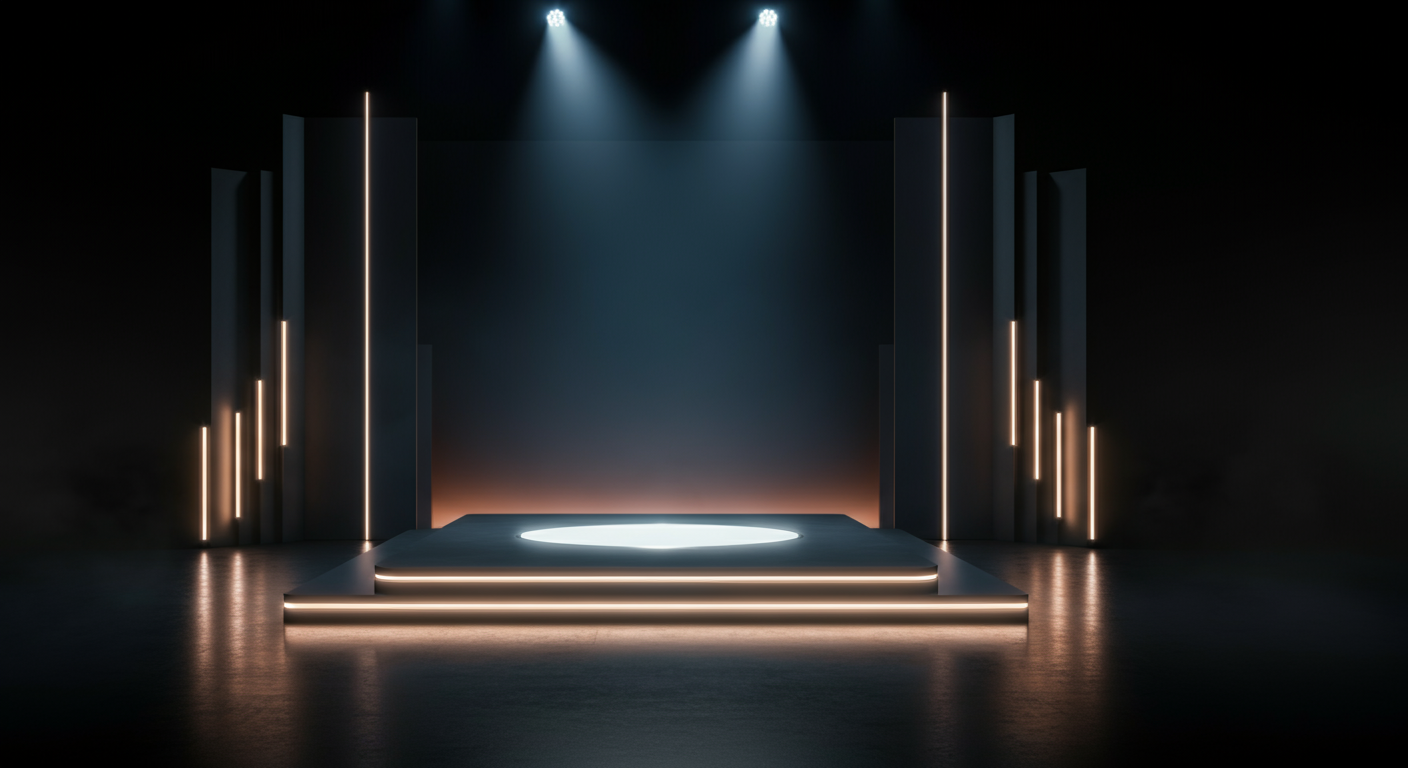
The reveal is the centerpiece of every product launch, and its design deserves obsessive attention. Options range from the classic curtain drop to sophisticated kinetic reveals—motorized panels that separate in choreographed sequence, projection-mapped surfaces that dissolve to expose the physical product, or fog-and-light reveals that create a sense of emergence. The best reveal mechanics are tailored to the product’s identity: a luxury automobile demands a different unveiling vocabulary than a consumer technology device or a fashion collection. The reveal should feel inevitable in retrospect—as though the product could only have been introduced this way.
Press and Media Integration
Media strategy must be engineered into the event architecture, not layered on afterward. This means dedicated press risers with unobstructed sightlines, controlled lighting that produces broadcast-ready imagery, embargo-timed content distribution systems, and a media flow that separates editorial access from consumer experience when necessary. For major launches, a pre-event press briefing—intimate, information-dense, and designed for serious coverage—often generates more valuable editorial than the main event itself. Press kits have evolved from folders to digital asset portals with downloadable high-resolution imagery, B-roll footage, and executive quotes ready for publication.
Influencer Strategy and Social Amplification
Modern product launches live or die on social media velocity. Influencer integration requires more than gifting suites and branded hashtags. The most effective strategies create exclusive access tiers—early reveal for top-tier creators, custom content capture stations designed for specific platform formats, and shareable moments engineered to perform on Instagram, TikTok, and emerging platforms. Social amplification should feel organic but is, in reality, carefully choreographed: the lighting at every touchpoint is optimized for phone cameras, the branding is legible at social media resolution, and the experiential flow naturally produces content-worthy moments.
Sampling and Demo Experiences
For physical products, hands-on interaction is the most powerful conversion tool available. Demo experiences should be designed as self-contained narratives: a guided journey that communicates product value through direct experience rather than explanation. Sampling stations need to accommodate volume while preserving the feeling of exclusivity. The spatial design should control the order of discovery—guests encounter the brand story before they touch the product, so context frames experience. For technology products, demo stations require dedicated technical support, reliable connectivity, and contingency units for inevitable malfunctions.
AV, Projection, and Environmental Design
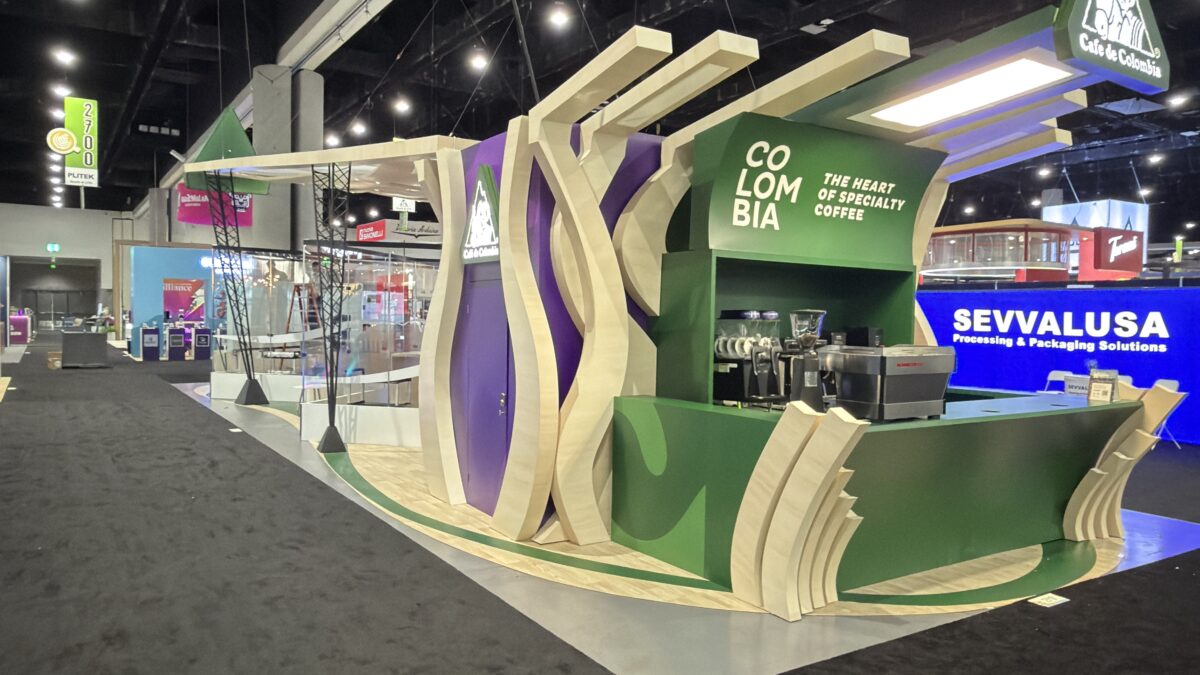
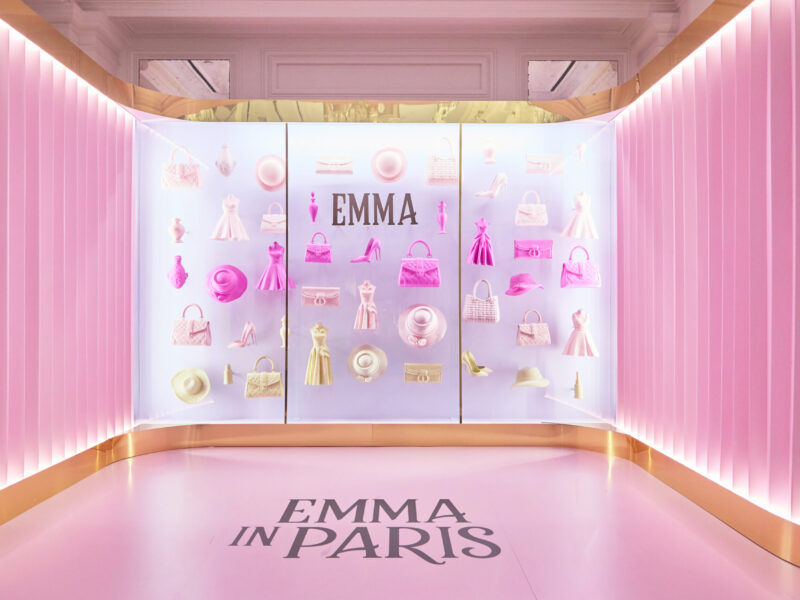
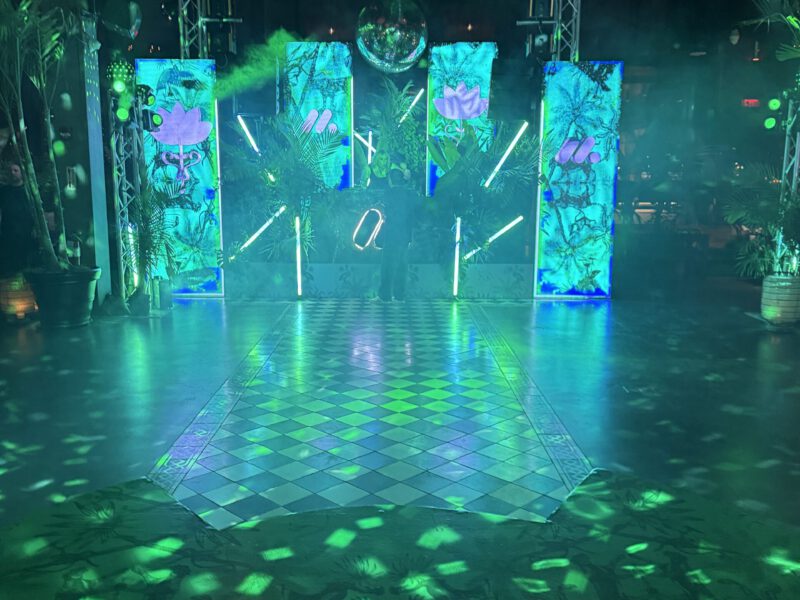
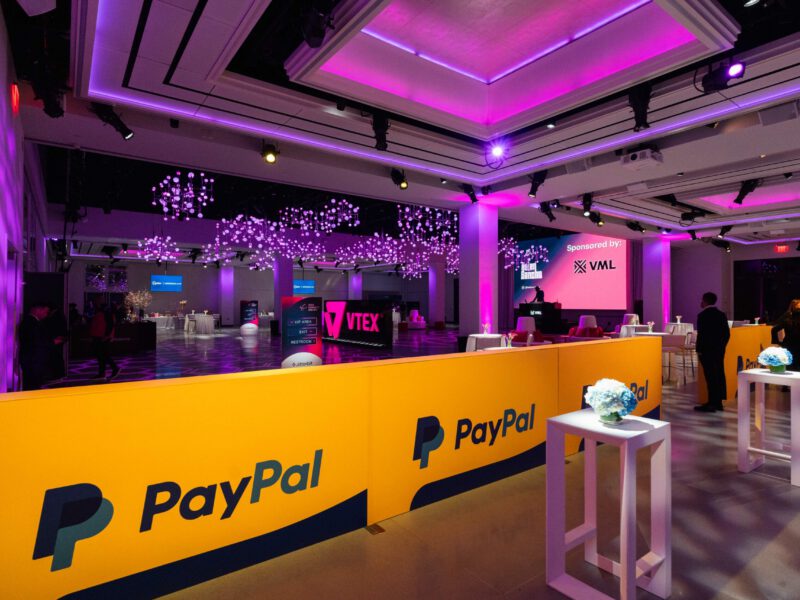
The production environment tells the brand story before a single word is spoken. Large-format LED walls create immersive branded environments. Projection mapping transforms architectural surfaces into dynamic canvases. Spatial audio design ensures that keynote presentations are crystal-clear while ambient zones maintain energy without competing. Lighting design for product launches follows specific principles: the product itself should always be the brightest element in the room, hero-lit to communicate premium quality. Environmental design extends to temperature, scent, and even the acoustic character of the space—every sensory input should reinforce the product narrative.
Keynote Presentations and Content Strategy
If your launch includes a keynote or executive presentation, it must be produced to broadcast standards. This means professional presentation design (not internal PowerPoint decks), teleprompter support, confidence monitors, rehearsal time with the presenter, and backup plans for every technical element. The keynote should be concise—20 to 30 minutes maximum—and structured around three to five key messages that media can easily distill into headlines.
Post-Launch Amplification
The event itself is the catalyst, but amplification extends the impact for weeks. This includes edited recap videos optimized for each platform, press follow-up with additional assets, influencer content republishing strategies, and—for consumer-facing launches—a transition plan that connects event energy to retail or e-commerce activation. The most sophisticated launches treat the event as the opening act of a sustained campaign rather than a standalone moment.
Explore our dedicated product launch and pop-up production services to understand how GEO Events engineers launches that generate lasting market impact, or discover how brand activation events extend product narratives into ongoing consumer experiences.