The corporate gala occupies a singular position in the event landscape. It is simultaneously a celebration, a branding exercise, a stakeholder engagement tool, and—when executed at the highest level—a cultural moment. Whether honoring retiring executives, recognizing top performers, or marking a company’s centennial, the gala demands a production vocabulary that most event planners never fully master.
Black-Tie vs. Creative Black-Tie
The distinction matters more than most organizers realize. A traditional black-tie gala signals institutional gravitas: floor-length gowns, tuxedos, orchestral accompaniment, and a formality that commands respect. Creative black-tie, by contrast, permits a curated loosening of convention—think midnight-blue velvet, unexpected color palettes, and entertainment that surprises rather than simply accompanies. The choice between these two formats shapes every subsequent decision, from invitation design to lighting temperature to menu service style. GEO Events typically recommends creative black-tie for organizations seeking to signal forward momentum while preserving elegance.
Venue Selection and Transformation
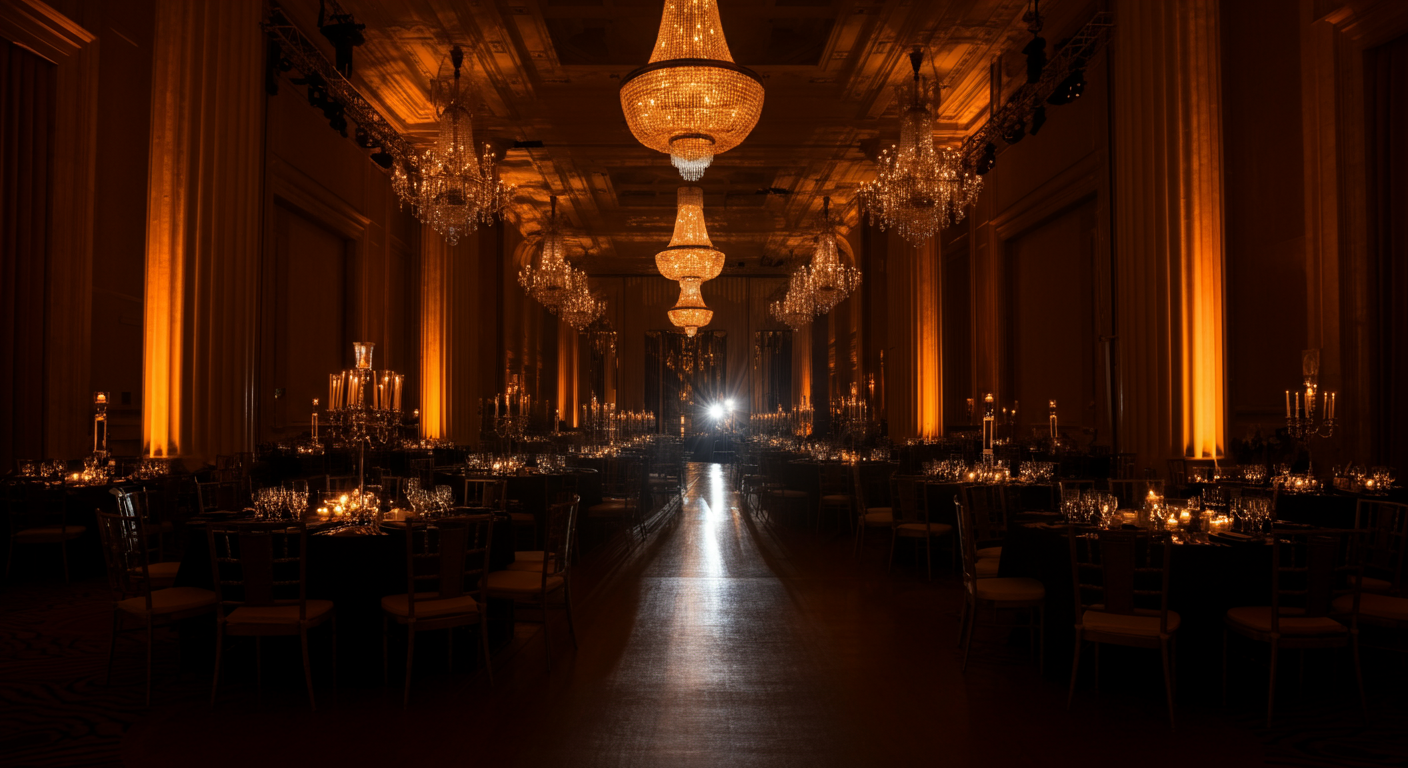
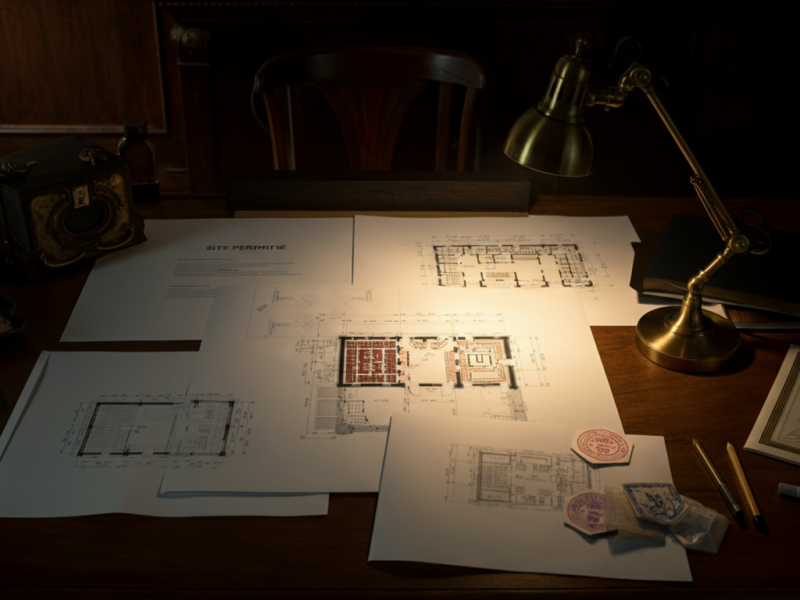
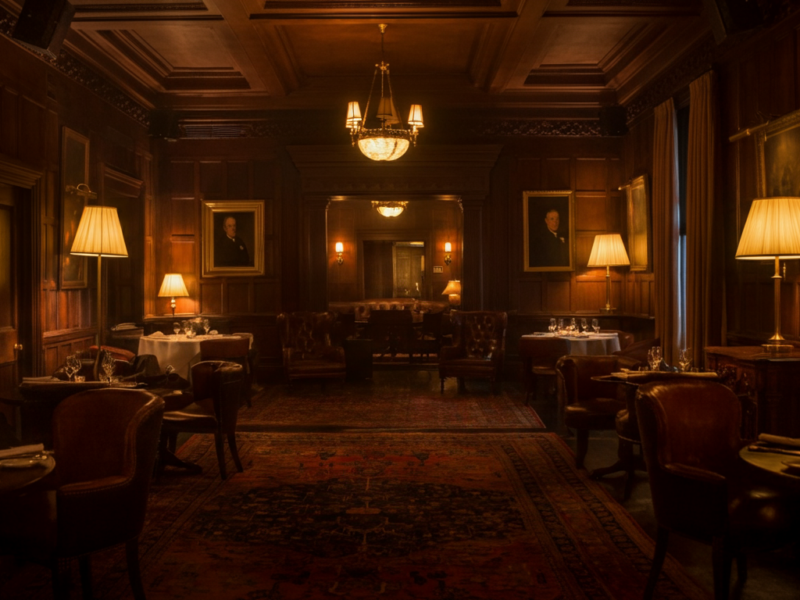
The venue is the canvas. For galas hosting 200 to 2,000 guests, venue selection involves far more than capacity calculations. Ceiling height determines lighting design possibilities. Column placement affects sightlines to the stage. Loading dock access dictates build schedules. The most compelling galas often take place in unconventional spaces—industrial warehouses transformed into ballrooms, museum galleries repurposed as dining halls, rooftop terraces enclosed with temporary structures. The transformation itself becomes part of the narrative, signaling to guests that this evening exists outside ordinary experience.
Entertainment Architecture
Entertainment at a corporate gala should never feel like an interruption. The best programs weave performance throughout the evening: ambient musicians during cocktails, a headline act that punctuates the awards program, and surprise moments—aerialists descending during dessert, a spoken-word artist delivering the company’s origin story—that elevate the event from pleasant to unforgettable. Entertainment budgets typically represent 15-25% of total production costs, and this is not the place to economize.
Awards Program Design
The awards ceremony is the structural spine of any gala. Poorly designed, it becomes an endurance test. Masterfully produced, it creates genuine emotional peaks. Key principles include limiting individual award presentations to 90 seconds, using pre-produced video packages to tell honoree stories rather than relying solely on live remarks, designing trophies or recognition pieces that recipients will actually display, and building in musical transitions that maintain energy between segments. The run-of-show document for an awards program alone can span 30 pages.
AV, Staging, and Production Design
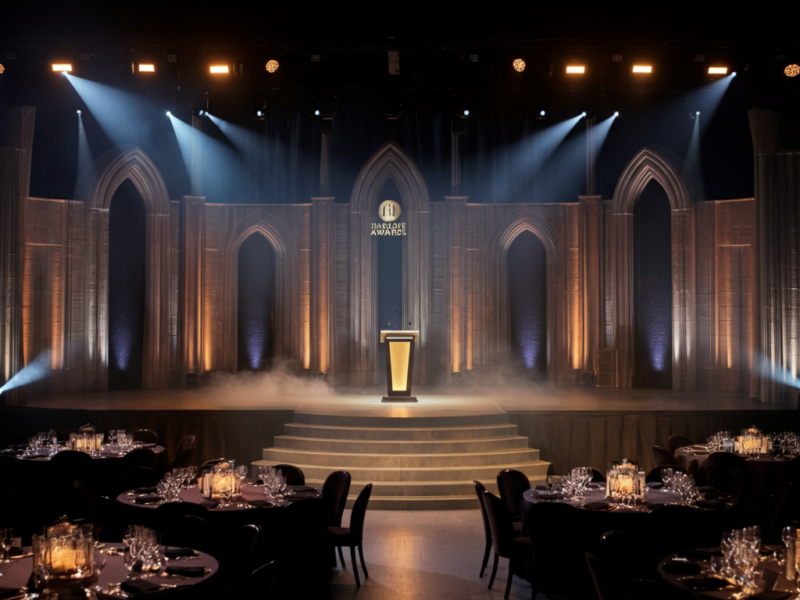
The stage is where attention concentrates. A corporate gala stage requires confidence monitors for presenters, confidence screens for the audience, seamless video playback integration, broadcast-quality lighting that flatters speakers while maintaining theatrical atmosphere, and audio engineering that ensures clarity whether a CEO is speaking softly or a band is performing at full volume. LED walls have largely replaced projection screens for their superior brightness and flexibility, though the investment is significant. Stage design should reflect the organization’s brand architecture—its visual language translated into three-dimensional space.
Run-of-Show and Stage Management
No element of gala production is more critical than the run-of-show. This minute-by-minute production document coordinates lighting cues, audio transitions, video playback, presenter movements, catering service, and dozens of other variables. Professional stage management—with a dedicated stage manager calling cues via headset—is non-negotiable for events exceeding 150 guests. The difference between an amateur gala and a professional one is almost entirely a function of backstage coordination.
Sponsor Recognition and Brand Integration
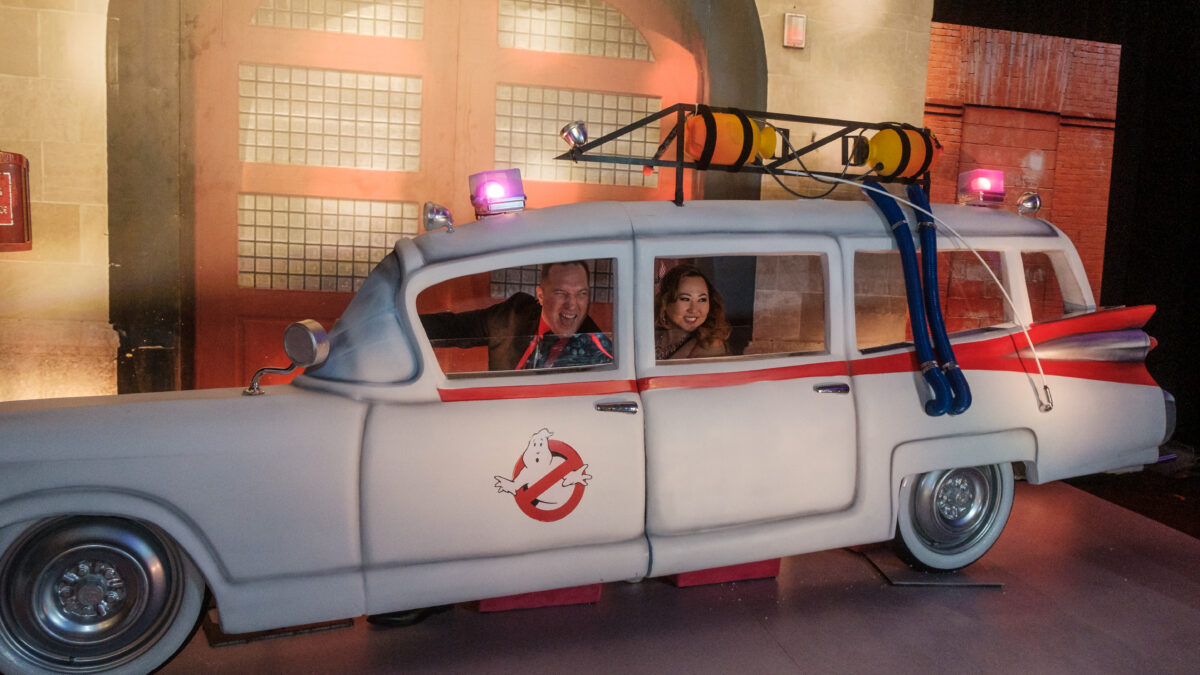
For galas with corporate sponsors, recognition must be substantive without becoming intrusive. This means moving beyond logo walls to create branded experiential moments: a sponsor-hosted cocktail lounge, a branded photo activation, or a sponsor-presented entertainment segment. Each tier of sponsorship should correspond to a distinct and clearly differentiated set of benefits. GEO Events designs sponsor activation packages that deliver measurable value while preserving the aesthetic integrity of the event.
Step-and-Repeat and Arrival Experience
The arrival sequence sets the tone for the entire evening. A well-designed step-and-repeat provides media-ready photography opportunities, but the arrival experience should extend beyond a single backdrop. Consider a curated pathway: valet handoff, a lit entrance corridor, a welcome moment with signature cocktails, and a step-and-repeat positioned where natural light or professional lighting creates the most flattering images. The goal is to make every guest feel like they are arriving at something significant.
For organizations planning their first major gala or seeking to elevate an existing annual event, understanding these production elements is essential. Each decision cascades into others, and the most successful galas are those where every detail has been considered in relationship to the whole. Learn more about our approach to corporate milestone event production, or explore how fundraising galas adapt these principles for charitable purposes.