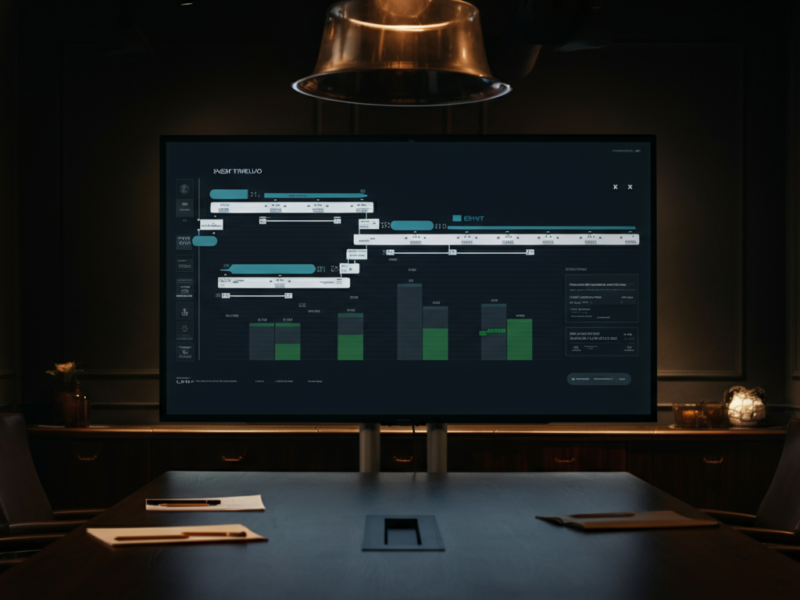
The Corporate Event Planning Timeline
Every successful corporate event is built on a timeline that starts months before the first guest arrives. The difference between an event that feels...
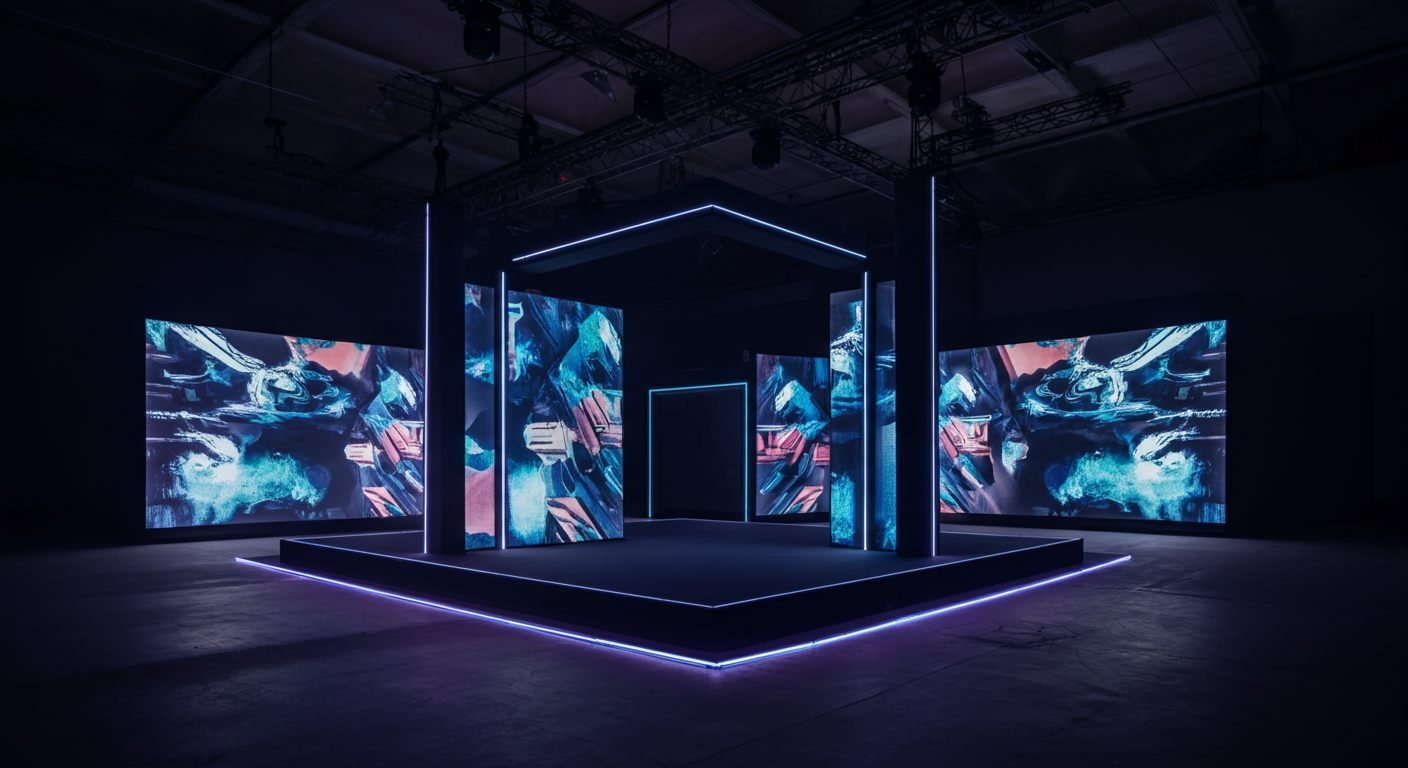
Immersive Worlds That Turn Audiences Into Advocates
Brand activations and experiential events are purpose-built environments where consumers don't just encounter a brand—they inhabit it. Unlike traditional advertising, which talks at audiences, experiential marketing invites them inside a constructed world, creating participatory moments that forge emotional connections no billboard or banner ad can replicate.
Experiential marketing has evolved from a novelty tactic into the most powerful tool in the modern brand’s arsenal. In an era of ad-blocking, content saturation, and consumer skepticism, the brands that win are the ones that create real-world experiences worth seeking out. Brand activations transform marketing messages into physical environments—spaces where consumers spend time voluntarily, engage deeply, and leave as advocates rather than mere awareness statistics.
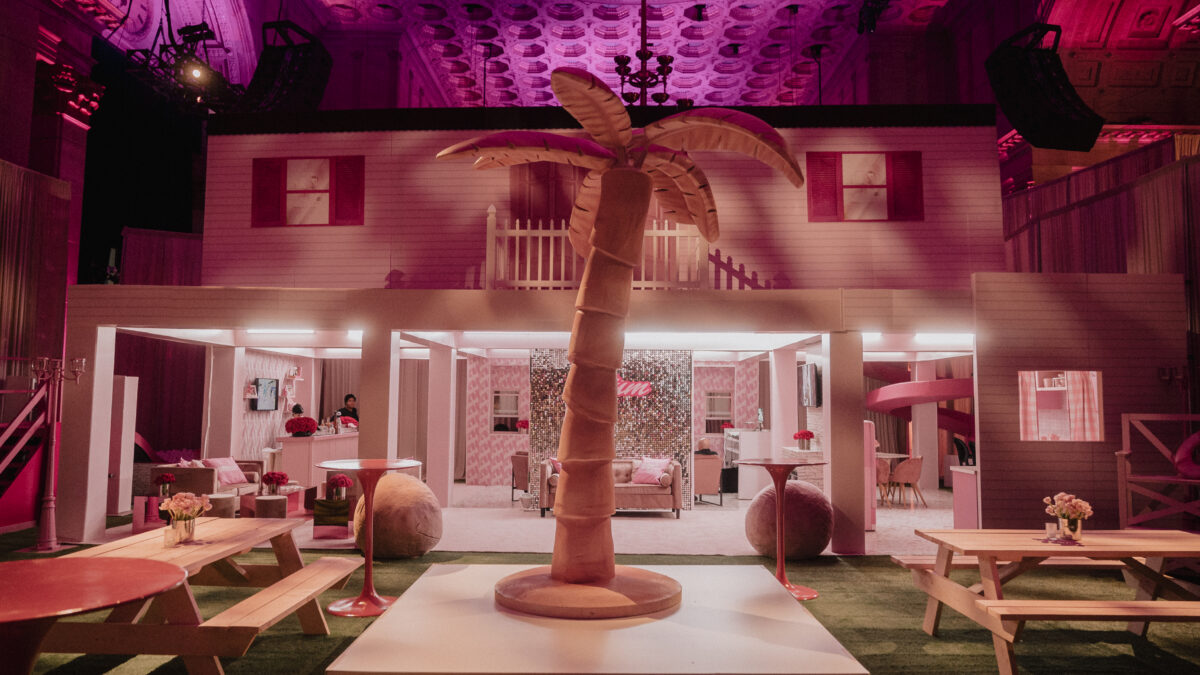
The most effective brand activations don’t feel like marketing. They feel like destinations. Immersive environment design begins with a spatial narrative: What world does this brand inhabit? What does it feel like, smell like, sound like to exist inside that world? From there, every design element—from floor treatment to ceiling installation, from wall textures to ambient soundscape—is specified to reinforce that narrative. The goal is total sensory commitment. When a guest steps inside, the outside world disappears, and the brand’s universe becomes the only reality. This requires architectural thinking, theatrical design sensibilities, and a deep understanding of how humans navigate and respond to constructed spaces.
Dwell time is the critical metric of experiential marketing. The longer a consumer voluntarily remains inside your activation, the deeper the brand impression and the higher the likelihood of conversion. Extending dwell time requires layered experiences: an initial wow moment that captures attention, a series of interactive elements that sustain curiosity, and a culminating experience that delivers emotional payoff. Each layer should offer something new to discover. The best activations are designed so that guests want to explore every corner, return to favorite moments, and bring friends back for a second visit.
In contemporary experiential marketing, every physical moment is also a content opportunity. This doesn’t mean plastering logos on photo walls—it means designing environments that are inherently photogenic, where the natural impulse to capture and share is satisfied by aesthetically extraordinary backdrops. Content architecture involves designing specific moments within the experience that are optimized for different platforms: a TikTok-ready kinetic moment, an Instagram-worthy static composition, a Twitter-quotable insight. Lighting at these moments should be calibrated for smartphone cameras, not professional equipment, because that is how 99% of the content will be captured.
Every touchpoint within a brand activation is a potential data capture opportunity. Registration systems, RFID wristbands, interactive screens, gamified elements, and even Wi-Fi login portals can collect opt-in consumer data that feeds CRM systems and informs future marketing strategy. The key is value exchange: consumers willingly share data when they receive something meaningful in return—exclusive content, personalized experiences, product samples, or competition entries. Privacy compliance is non-negotiable, and transparency about data use builds rather than erodes trust.
For consumer products, direct sampling within an experiential context dramatically outperforms traditional sampling programs. When a consumer tastes, touches, or tries a product inside a curated brand environment, the product benefits from the halo of the experience itself. Sampling stations should be integrated into the narrative flow rather than isolated as transactional touchpoints. The spatial design should ensure that consumers encounter brand storytelling before product interaction, so context frames experience and elevates perceived value.
Every brand has a story, but most tell it through flat media—screens, print, digital. Experiential marketing translates brand narrative into three-dimensional space, creating stories that consumers walk through rather than watch. This requires a fundamentally different creative approach: thinking in terms of rooms and pathways rather than pages and frames, designing for physical movement rather than scroll behavior, and understanding that in a spatial narrative, the consumer is the protagonist. The brand’s role is to create the world; the consumer’s role is to explore it.
For brands seeking national or global reach, touring activations bring the experience to multiple markets in sequence. Touring requires modular design—environments that can be installed, operated, and struck efficiently—and standardized operational protocols that ensure consistent quality across locations. The logistical complexity is significant: transportation, local permitting, labor sourcing, and venue adaptation all require dedicated management. But the reach and earned media value of a multi-city activation tour can far exceed what a single-market event delivers.
See how GEO Events designs activations that generate measurable brand impact through our brand activation services, or explore how product launch events create focused reveal moments within experiential environments.
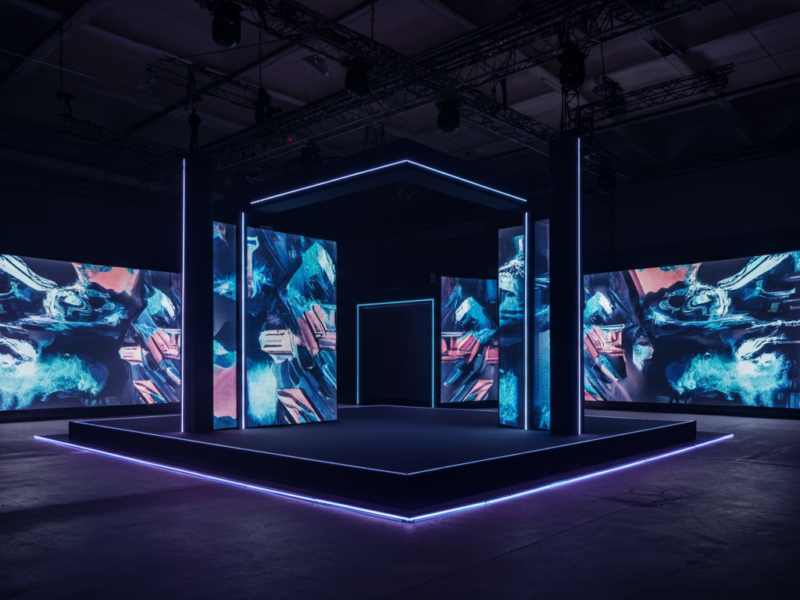
GEO Events builds brand worlds. Our activation design practice combines architectural spatial design, theatrical production, and marketing strategy to create environments where brands come alive in three dimensions. We don’t build booths—we build experiences that consumers choose to spend time inside.
Our process begins with brand immersion: understanding not just your visual identity but your brand’s emotional territory, audience psychographics, and competitive context. From there, our experiential design team develops spatial narratives that translate brand values into physical environments—complete with interactive elements, content capture moments, sampling integration, and data collection systems.
We manage every dimension of activation production: custom fabrication, technology integration, staffing and training, permitting and logistics, and real-time operational management. Our activations have generated millions of organic social impressions, driven measurable lifts in brand sentiment, and created the kind of cultural moments that earn editorial coverage without paid placement.
Start a conversation about bringing your brand to life in physical space.
Deep dive into brand identity, audience insights, competitive landscape, and campaign objectives to establish the experiential strategy.
Develop the spatial narrative, interactive elements, content moments, and consumer journey—delivered as 3D renderings and experience maps.
Engineering specifications, material selection, technology integration plans, and fabrication timelines for all custom-built elements.
Brand ambassador recruitment, training program development, operational protocols, and data capture system configuration.
On-site fabrication and installation, technology commissioning, lighting and audio calibration, and full operational walk-through.
Real-time operational management, consumer flow optimization, data monitoring, content capture, and post-activation reporting.
Every event is unique, but here are typical investment ranges for Brand Activations & Experiential.
$30,000 - $75,000
$100,000 - $250,000
$300,000 - $500,000
$500,000+
Every successful corporate event is built on a timeline that starts months before the first guest arrives. The difference between an event that feels...
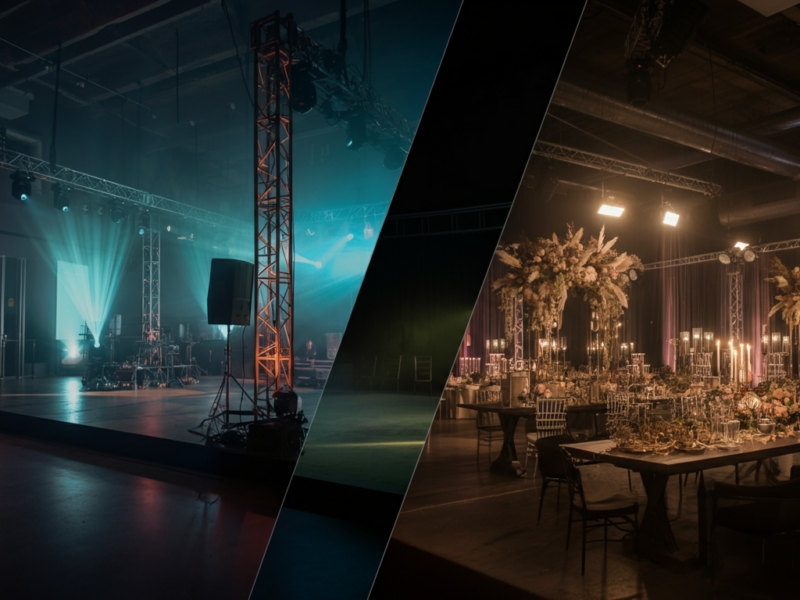
The decision between full-service event planning and day-of coordination is one of the most consequential choices you will make in the entire event planning...

The event brief is the single most important document in the entire event planning process. It is the foundation upon which every creative decision,...
Let us bring your vision to life. Tell us about your event and we'll show you what's possible.