What Is the ROI of Experiential Marketing?
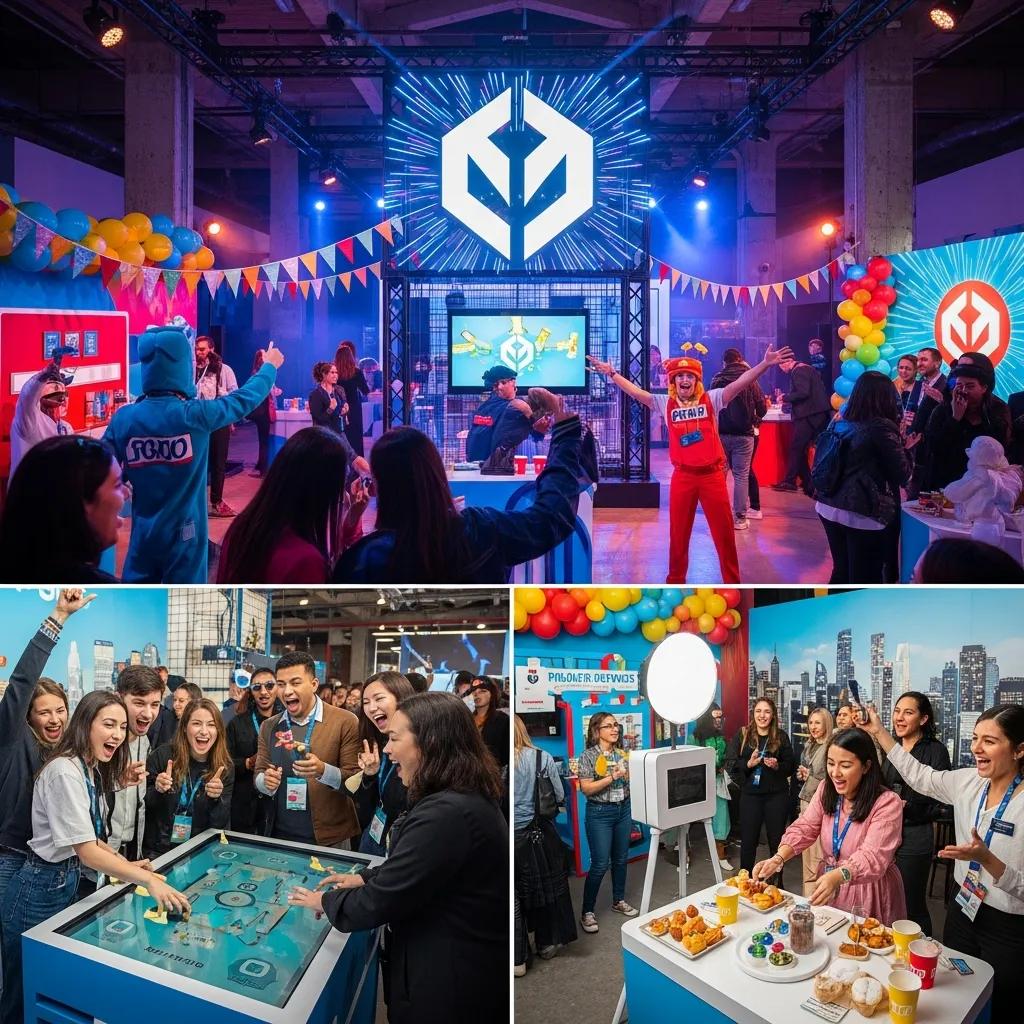
What Is the ROI of Experiential Marketing? Measuring Impact and Brand Engagement
Experiential marketing has emerged as a powerful strategy for brands seeking to create memorable connections with their audiences. This approach focuses on engaging consumers through immersive experiences that foster emotional connections and drive brand loyalty. In this article, we will explore the return on investment (ROI) of experiential marketing, examining how it can be measured and the impact it has on brand engagement. Many businesses struggle to quantify the effectiveness of their marketing efforts, particularly in experiential campaigns. Understanding the ROI of these initiatives can provide valuable insights into their effectiveness and guide future marketing strategies. We will delve into key metrics for measuring ROI, showcase successful examples of experiential marketing, and discuss how GEOEVENTS designs events to maximize ROI.
Indeed, understanding the nuances of how these efforts contribute to long-term brand value is essential for a comprehensive ROI assessment.
Experiential Marketing ROI for Brand Building
It is crucial to delineate the distinction between ROI and LROI. Experiential marketing ROI works best
Experiential Marketing as a Tool for Emotional Brand Building
How Do You Measure the ROI of Experiential Marketing?
Measuring the ROI of experiential marketing involves evaluating the financial return generated from marketing investments relative to the costs incurred. This process typically includes analyzing various metrics and key performance indicators (KPIs) that reflect the effectiveness of the marketing efforts. By understanding these metrics, businesses can make informed decisions about their marketing strategies and optimize their campaigns for better results.
As experts emphasize, a thorough evaluation of these results is paramount to understanding the true impact of experiential marketing investments.
Evaluating Experiential Marketing ROI
it is important to evaluate the results that are dictated by the return of investment (ROI)
Experts’ perspective on the development of experiential marketing strategy: implementation steps, benefits, and challenges, CP Constantin, 2021
Key Metrics and KPIs for Event Marketing Effectiveness
To effectively measure the ROI of experiential marketing, businesses should focus on several key metrics:
- Attendance Rates: The number of participants at an event compared to the expected turnout can indicate the event’s appeal and reach.
- Engagement Levels: Metrics such as social media interactions, booth visits, and participant feedback can provide insights into how well the audience connected with the brand.
- Sales Conversions: Tracking sales generated during and after the event helps quantify the direct financial impact of the marketing efforts.
These metrics are essential for understanding the overall effectiveness of experiential marketing campaigns and can guide future strategies.
Methods to Calculate Event ROI Accurately

Calculating the ROI of experiential marketing can be done through various methods, including:
- Cost-Benefit Analysis: This method compares the total costs of the event against the revenue generated, providing a straightforward ROI percentage.
- Attribution Models: These models help identify which marketing channels contributed to sales, allowing businesses to allocate credit appropriately.
- Surveys and Feedback: Gathering participant feedback can provide qualitative data that complements quantitative metrics, offering a more comprehensive view of the event’s success.
By employing these methods, businesses can gain a clearer picture of their ROI and make data-driven decisions.
What Are Examples of Experiential Marketing That Drive ROI?
Experiential marketing can take many forms, and successful campaigns often showcase innovative strategies that resonate with audiences. Here, we highlight some notable examples that demonstrate the effectiveness of experiential marketing in driving ROI.
Case Studies Demonstrating Successful Brand Engagement

One notable case study is the “Share a Coke” campaign by Coca-Cola, which encouraged consumers to find bottles with their names on them. This campaign not only increased sales but also generated significant social media buzz, leading to a measurable increase in brand engagement and loyalty.
Another example is the “IKEA Sleepover” event, where customers were invited to spend the night in an IKEA store. This unique experience created a memorable connection with the brand, resulting in increased sales and positive media coverage.
Live Event Marketing Impact on Customer Experience
Live events can significantly enhance customer experience by providing opportunities for direct interaction with the brand. For instance, brands that host interactive product demonstrations or immersive experiences often see higher levels of customer satisfaction and loyalty. These positive experiences can lead to increased word-of-mouth referrals and repeat business, ultimately driving ROI.
The power of creating such deep connections through engaging and immersive experiences is increasingly recognized as a key driver for brand engagement.
Immersive Experiences for Brand Engagement
Virtual influencers have become innovative marketing tools that allow firms to create engaging stories and immersive experiences for a tech-savvy audience.
Immersive technologies: A literature review on brand engagement and consumer behaviour, NH Kamaruddin, 2023
How Does GEOEVENTS Design Events to Maximize ROI?
GEOEVENTS specializes in creating high-impact experiential marketing events tailored to meet the unique needs of corporate and private clients. Their approach focuses on delivering memorable experiences that not only engage audiences but also drive measurable results.
Custom Event Design and Production Services
GEOEVENTS offers a range of custom event design and production services that cater to various client needs. By focusing on unique themes and interactive elements, they create events that resonate with attendees and enhance brand visibility. Their expertise in event logistics ensures that every detail is meticulously planned and executed, maximizing the potential for a positive ROI.
Strategies for Enhancing Brand Activation and Client Engagement
To enhance brand activation, GEOEVENTS employs several strategies, including:
- Interactive Experiences: Engaging attendees through hands-on activities fosters deeper connections with the brand.
- Personalization: Tailoring experiences to individual preferences can significantly enhance participant satisfaction and engagement.
- Follow-Up Engagement: Implementing post-event follow-up strategies helps maintain the connection with attendees, encouraging future interactions and purchases.
These strategies are designed to create lasting impressions and drive ROI for their clients.
What Tools and Techniques Help Analyze Experiential Marketing ROI?
Analyzing the ROI of experiential marketing requires the right tools and techniques to gather and interpret data effectively. Various resources can assist businesses in measuring the success of their campaigns.
Interactive ROI Calculators and Analytics Tools
Several interactive ROI calculators and analytics tools are available to help businesses assess their marketing performance. These tools can provide insights into key metrics, allowing for more informed decision-making. By utilizing these resources, companies can better understand the financial impact of their experiential marketing efforts.
Using Event Analytics to Measure Marketing Success
Event analytics tools can track participant behavior and engagement levels during events. By analyzing this data, businesses can identify trends and areas for improvement, ultimately enhancing the effectiveness of future campaigns. These insights are crucial for optimizing marketing strategies and maximizing ROI.